
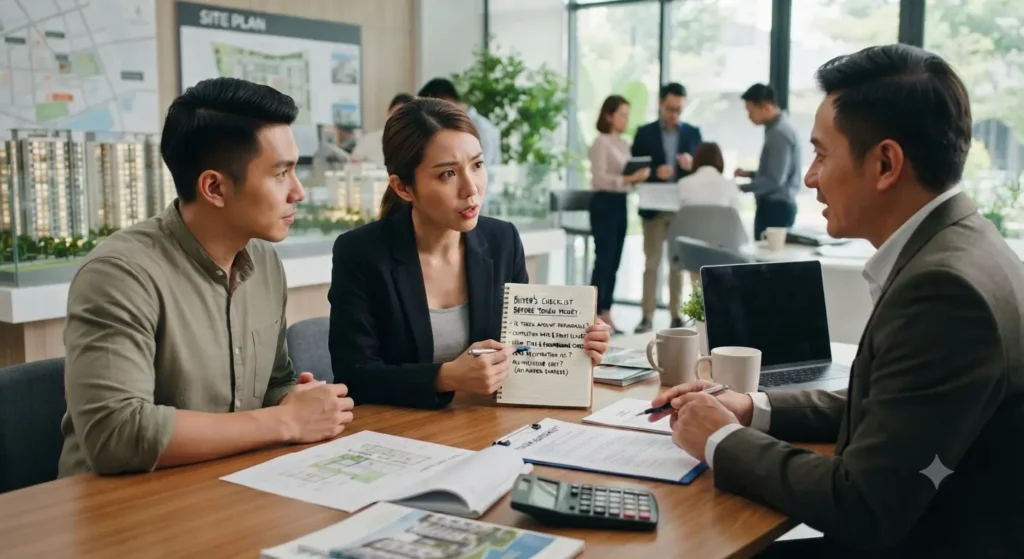
Buying a property is one of the biggest financial decisions you’ll ever make. In many real estate transactions, sellers ask buyers to pay token money as a sign of commitment before completing the documentation. While paying token money may seem like a routine step, doing so without proper verification can lead to financial losses, legal complications, and unnecessary stress.
This guide covers the most important questions every buyer should ask before paying token money.
What Is Token Money?
Token money is an advance amount paid by the buyer to show genuine interest in purchasing a property. It is generally adjusted against the final sale price once the transaction is completed. However, the terms regarding refund or forfeiture should always be documented in writing.
1. Is the Seller the Legal Owner?
The first question should always be about ownership.
Ask for:
- Original title documents
- Sale deed
- Identity proof of the owner
- Ownership history
Verify that the person receiving the token money has the legal authority to sell the property.
2. Are All Property Documents Available?
Never pay token money without checking essential documents such as:
- Title deed
- Registry papers
- Mutation records
- Jamabandi or land records
- Khasra details (for land)
- Approved layout plan
- Property tax receipts
Incomplete documentation should be treated as a warning sign.
3. Is the Property Free from Legal Disputes?
Ask directly whether the property has:
- Court cases
- Family disputes
- Partition claims
- Bank loans
- Mortgages
- Government acquisition notices
A legally disputed property can delay or even cancel your purchase.
4. Are There Any Outstanding Dues?
Confirm whether there are unpaid:
- Property taxes
- Electricity bills
- Water charges
- Maintenance charges
- Society dues
Outstanding liabilities may become your responsibility after purchase.
5. Has the Land Been Properly Approved?
For plots and farmland, ask:
- Is the land legally transferable?
- Is land conversion required?
- Are necessary approvals available?
- Does the project comply with local regulations?
Never rely only on verbal assurances.
6. What Exactly Is Included in the Sale?
Clarify what your payment covers.
Ask about:
- Plot size
- Boundary markings
- Road access
- Water supply
- Electricity connection
- Common amenities
- Development charges
Everything promised should be mentioned in writing.
7. What Happens if the Deal Is Cancelled?
One of the most important questions concerns the refund policy.
Ask:
- Is token money refundable?
- Under what conditions?
- What happens if either party backs out?
- Will deductions apply?
These terms should be included in a signed agreement.
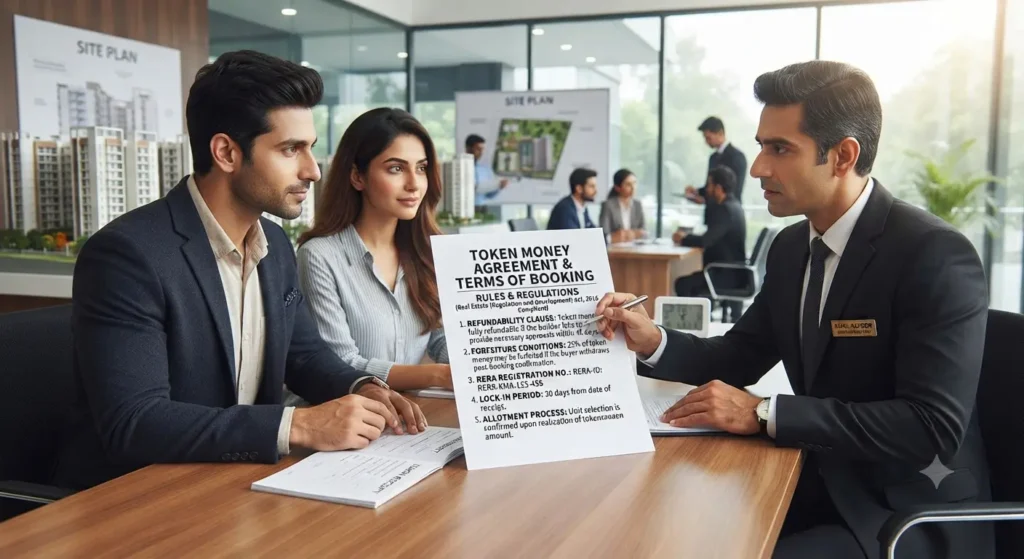
8. Is There a Written Token Agreement?
Never pay cash without documentation.
A proper token agreement should mention:
- Buyer and seller details
- Property description
- Token amount
- Total sale consideration
- Payment schedule
- Timeline for registry
- Refund conditions
- Signatures of both parties
This document protects both buyer and seller.
9. Has the Property Been Physically Inspected?
Visit the property personally before making any payment.
Check:
- Actual location
- Site dimensions
- Road connectivity
- Nearby development
- Encroachments
- Boundary status
Photos and brochures are not a substitute for an on-site inspection.
10. Are There Any Hidden Charges?
Ask about additional costs such as:
- Registration charges
- Stamp duty
- Brokerage
- Development fees
- Club membership
- Maintenance deposits
- Legal charges
Understanding the complete cost helps you avoid unpleasant surprises later.
11. What Is the Timeline for Registry?
Discuss the expected schedule for:
- Document verification
- Balance payment
- Registry
- Possession
A clear timeline reduces misunderstandings between both parties.
12. Should You Consult a Property Lawyer?
The answer is yes.
A legal expert can verify ownership, examine title documents, identify risks, and ensure the agreement protects your interests. Spending a small amount on legal verification can save lakhs of rupees in future disputes.
Common Mistakes Buyers Make
Many buyers lose token money because they:
- Trust verbal promises.
- Skip legal verification.
- Ignore ownership documents.
- Pay cash without receipts.
- Fail to inspect the property.
- Do not read the agreement carefully.
- Rush into the deal due to limited-time offers.
Avoiding these mistakes significantly reduces your investment risk.
Final Thoughts
Paying token money is not just a formality—it is a financial commitment. Before making any advance payment, verify ownership, inspect documents, understand refund conditions, and ensure every promise is documented in writing. A little due diligence today can prevent expensive legal and financial problems tomorrow.
Whether you are purchasing a residential plot, farmhouse, apartment, or agricultural land, asking these essential questions will help you make a safe and informed investment decision
FAQs – Questions Every Buyer Should Ask Before Paying Token Money
1. What is token money in a property transaction?
Token money is an advance payment made by the buyer to show genuine interest in purchasing a property. It acts as a commitment between the buyer and seller before the final sale agreement and registration are completed.
2. Why should I verify property documents before paying token money?
Verifying property documents helps confirm legal ownership, ensures the property is free from disputes, and reduces the risk of fraud. It is always safer to complete document verification before making any advance payment.
3. Which documents should I check before paying token money?
You should verify the title deed, sale deed, ownership records, mutation documents, property tax receipts, approved layout plan, identity proof of the seller, and any other documents required for your type of property.
4. Should I pay token money without a written agreement?
No. Always pay token money only after signing a written agreement that clearly mentions the token amount, total property price, payment schedule, refund conditions, and the responsibilities of both the buyer and seller.
5. Is token money refundable if the deal is cancelled?
It depends on the terms mentioned in the token agreement. Some agreements allow a refund under certain conditions, while others may permit the seller to retain the token amount. Always read the agreement carefully before signing.
6. How can I verify that the seller is the legal owner?
Ask for original ownership documents, identity proof, and previous sale deeds. You can also verify ownership records through local land records or with the help of a qualified property lawyer.
7. What questions should I ask about the property’s legal status?
Ask whether the property has any pending court cases, loans, mortgages, government acquisition notices, or family disputes. Purchasing a property with legal issues can lead to delays and financial losses.
8. Should I inspect the property before paying token money?
Yes. A physical site visit helps you confirm the property’s location, size, boundaries, road access, nearby infrastructure, and overall condition. Never rely solely on brochures or online listings.
9. What additional costs should I ask about before making the payment?
Besides the property price, ask about stamp duty, registration charges, brokerage, maintenance fees, development charges, utility connection costs, and any other hidden expenses that may increase your overall investment.
10. Is it advisable to consult a property lawyer before paying token money?
Yes. A property lawyer can review legal documents, verify ownership, identify potential risks, and ensure that the agreement protects your interests. Professional legal advice can help you avoid costly mistakes during the buying process.