
Introduction
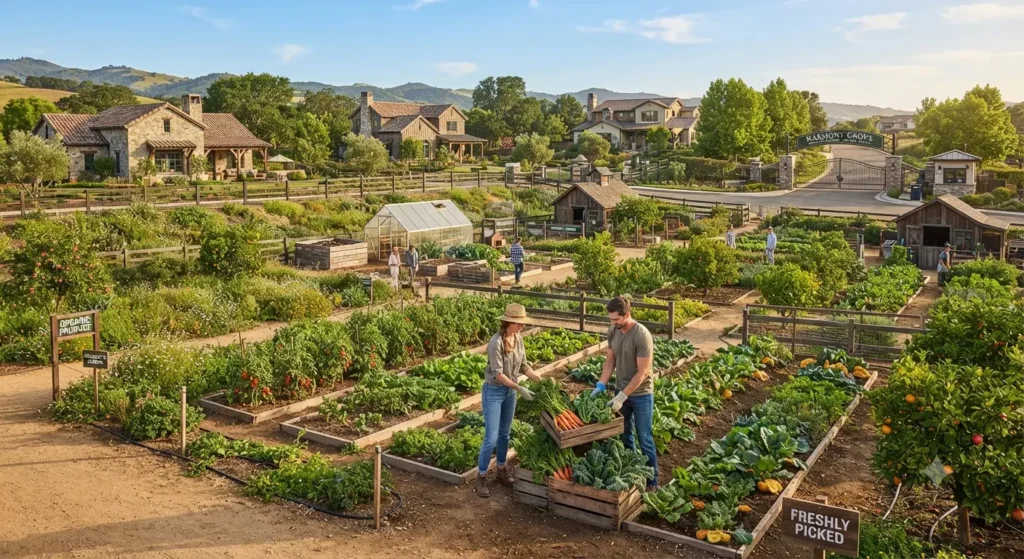
As urban lifestyles become increasingly fast-paced, more people are seeking healthier, more sustainable ways of living. The desire for fresh, chemical-free food and a closer connection with nature has given rise to the farm-to-table living movement. Instead of relying solely on supermarket produce, families are embracing the idea of growing their own fruits, vegetables, and herbs.
For residents and investors from Delhi-NCR, Naugaon in Rajasthan has emerged as an ideal destination for this lifestyle. Surrounded by lush landscapes and benefiting from improved connectivity via the Delhi-Mumbai Expressway, Naugaon offers the perfect environment for owning farmland and cultivating organic produce.
Whether you’re looking for a peaceful weekend retreat or a long-term investment with lifestyle benefits, farm-to-table living in Naugaon offers the best of both worlds.
What is Farm-to-Table Living?
Farm-to-table living is a lifestyle centered around consuming fresh, locally grown food—often cultivated on your own land. It promotes healthy eating, sustainable farming, and a stronger connection with nature.
Instead of purchasing vegetables and fruits that have traveled hundreds of miles, you enjoy produce harvested directly from your own farm. This approach not only enhances food quality but also encourages environmentally responsible living.
Key features of farm-to-table living include:
- Growing seasonal vegetables
- Cultivating fresh fruits
- Organic farming practices
- Herbal gardens
- Natural composting
- Water conservation
- Sustainable land management
- Healthy outdoor living
Why Naugaon is Perfect for Organic Farming
Naugaon has become a preferred destination for farmland buyers due to its peaceful environment, expanding infrastructure, and excellent connectivity to Delhi-NCR.
Several factors make it ideal for organic farming:
- Clean and natural surroundings
- Ample open spaces
- Favorable climate for many crops
- Easy road access through the Delhi-Mumbai Expressway
- Growing demand for farmhouse communities
- Affordable farmland compared to urban property
Many managed farmland projects in Naugaon are also designed to support plantation activities, landscaping, and eco-friendly development.
Fresh Food Straight from Your Farm
One of the biggest benefits of owning farmland in Naugaon is the ability to harvest fresh produce whenever you visit.
Depending on the season, you can grow:
- Tomatoes
- Spinach
- Okra
- Brinjal
- Cucumbers
- Carrots
- Radishes
- Coriander
- Mint
- Green chilies
You can also plant fruit trees such as:
- Mango
- Guava
- Lemon
- Pomegranate
- Papaya
- Jamun
Nothing compares to the taste and satisfaction of eating fruits and vegetables grown with your own care.
Experience the Joy of Organic Farming
Organic farming avoids the excessive use of synthetic fertilizers and pesticides. Instead, it focuses on natural methods that improve soil health and biodiversity.
Simple organic practices include:
- Composting kitchen waste
- Using natural manure
- Rainwater harvesting
- Mulching to retain moisture
- Crop rotation
- Natural pest management
These methods help maintain fertile soil while producing healthier food for your family.
A Healthier Lifestyle for Your Family
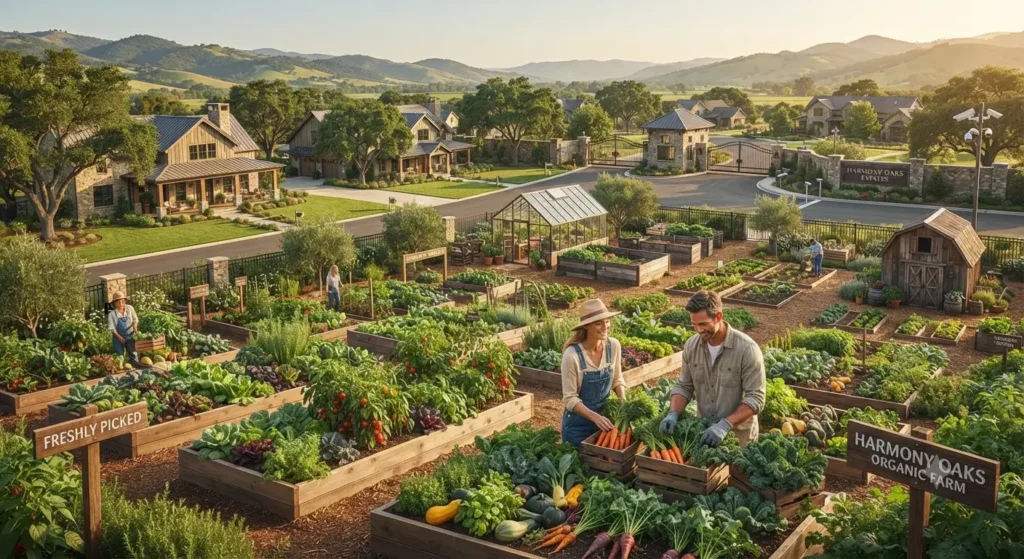
Farm-to-table living encourages healthier eating habits and more active lifestyles.
Benefits include:
- Fresh, seasonal produce
- Reduced exposure to chemical residues
- Better nutritional value
- Outdoor physical activity
- Reduced stress
- Improved mental well-being
- Quality family time
For children, spending time on a farm also provides valuable lessons about nature, agriculture, and sustainability.
Weekend Living with a Purpose
Many Delhi-NCR families are investing in farmland as a weekend escape from city life.
Instead of spending weekends in crowded malls or traffic, you can:
- Harvest fresh vegetables
- Plant fruit trees
- Enjoy morning walks
- Relax in green surroundings
- Spend quality time with family
- Host outdoor gatherings
- Build lasting memories
Your farmland becomes both a peaceful retreat and a productive space.
Managed Farmland Makes Ownership Easy
One concern many investors have is maintaining farmland while living in another city.
Managed farmland projects in Naugaon solve this problem by offering services such as:
- Boundary fencing
- Security
- Irrigation management
- Plantation care
- Internal roads
- Landscape maintenance
- Regular property inspections
This allows owners to enjoy the benefits of farmland without worrying about day-to-day upkeep.
Sustainability Meets Smart Investment
Owning farmland isn’t just about growing food—it can also be part of a long-term investment strategy.
As infrastructure around Naugaon continues to develop, the demand for farmland and farmhouse communities has been increasing. Improved connectivity and growing interest in nature-focused living have made the region attractive to investors looking for long-term value.
While future appreciation is never guaranteed, strategically located farmland may benefit from regional development over time.
Build Your Dream Farmhouse
Many buyers choose to complement their farmland with a farmhouse, creating a space where they can relax and reconnect with nature.
Imagine spending your weekends surrounded by:
- Green lawns
- Organic gardens
- Fruit orchards
- Outdoor seating
- Birdsong
- Fresh air
- Scenic sunsets
A farmhouse adds comfort while allowing you to fully enjoy the farm-to-table lifestyle.
Environmental Benefits of Farm-to-Table Living
Choosing to grow your own food also supports environmental conservation.
Some key benefits include:
- Reduced transportation emissions
- Improved soil health
- Better water management
- Increased tree plantation
- Enhanced biodiversity
- Lower food waste
- Reduced use of synthetic chemicals
Even small farming efforts contribute to a greener and more sustainable future.
Ideal Crops for Beginners
If you’re new to farming, start with crops that are relatively easy to grow and maintain.
Popular options include:
Vegetables
- Tomatoes
- Ladyfinger (Okra)
- Bottle gourd
- Cucumbers
- Spinach
- Beans
Herbs
- Basil
- Mint
- Coriander
- Curry leaves
- Lemongrass
Fruit Trees
- Mango
- Guava
- Lemon
- Papaya
- Pomegranate
These plants are well-suited for home gardens and small-scale organic farming when grown under appropriate local conditions.
Tips for Successful Organic Farming
To get the most from your farmland:
- Test the soil before planting.
- Choose seasonal crops suitable for the local climate.
- Use organic compost to enrich the soil.
- Install efficient irrigation systems.
- Plant a mix of vegetables, herbs, and fruit trees.
- Monitor crops regularly for pests and diseases.
- Learn basic organic farming techniques or seek expert guidance.
- Plan your harvest according to seasonal cycles.
A little planning can lead to rewarding harvests throughout the year.
Why More Delhi-NCR Families Are Choosing Naugaon
Naugaon offers a unique blend of convenience, nature, and investment potential.
Homebuyers and investors are attracted by:
- Better connectivity through the Delhi-Mumbai Expressway
- Peaceful surroundings
- Affordable farmland options
- Growing managed farmland communities
- Opportunities for sustainable living
- Weekend getaway potential
- Long-term investment prospects
These factors make Naugaon an appealing destination for those seeking both lifestyle and financial value.
Conclusion
The rise of farm-to-table living reflects a growing desire for healthier food, sustainable practices, and a deeper connection with nature. Naugaon provides an excellent setting for this lifestyle, offering fertile farmland, peaceful surroundings, and convenient access from Delhi-NCR.
Owning farmland here allows you to enjoy fresh organic produce, create memorable family experiences, and embrace a slower, more fulfilling way of life. Managed farmland projects further simplify ownership by taking care of maintenance, allowing you to focus on enjoying your property.
If you’re looking for an investment that goes beyond financial returns and enriches your everyday life, growing your own organic food in Naugaon is a meaningful step toward a healthier, greener, and more sustainable future.
FAQs: Organic Farming In Gated Farmhouses
1. What is organic farming in gated farmhouses?
Organic farming in gated farmhouses involves growing fruits, vegetables, herbs, and other crops without using synthetic fertilizers or chemical pesticides. These communities often provide secure, well-planned farmland with shared infrastructure, making it easier for owners to practice sustainable farming.
2. Why are gated farmhouses ideal for organic farming?
Gated farmhouse communities typically offer essential amenities such as internal roads, water supply, security, fencing, and professional maintenance. These features create a safe and organized environment for growing organic crops while reducing the challenges of managing farmland independently.
3. What types of crops can I grow in a gated farmhouse?
Depending on the local climate and soil conditions, you can grow a variety of crops, including:
- Seasonal vegetables
- Leafy greens
- Herbs like mint, basil, and coriander
- Fruit trees such as mango, guava, lemon, and pomegranate
- Flowers and ornamental plants
Choose crops that are suitable for your region and growing season.
4. Do I need farming experience to start organic farming?
No. Beginners can start with simple vegetables and herbs while learning basic organic farming techniques. Many gated farmhouse projects also offer maintenance support or access to agricultural experts who can help you manage your farm successfully.
5. What are The benefits of organic farming in gated farmhouses?
Organic farming offers several advantages, including:
- Fresh and chemical-free produce
- Healthier soil through natural farming methods
- A sustainable lifestyle
- Lower environmental impact
- Better connection with nature
- Opportunity to grow food for personal consumption
6. How is irrigation managed in gated farmhouse communities?
Many gated farmhouse developments provide irrigation infrastructure such as borewells, water pipelines, drip irrigation systems, or water storage facilities. The available facilities vary by project, so buyers should confirm the irrigation arrangements before investing.
7. Can I build a farmhouse and maintain an organic garden together?
In many gated farmhouse projects, buyers can develop a farmhouse while allocating part of the land for organic farming, landscaping, or fruit orchards. However, construction permissions and land-use regulations vary, so always check the project’s guidelines and local regulations.
8. Is organic farming in gated farmhouses a good long-term investment?
Organic farming can complement a long-term farmland investment by adding lifestyle value and making productive use of the land. Well-located gated farmhouse communities may also benefit from improving infrastructure and increasing demand over time, although future returns are never guaranteed.
9. What should I check before buying a gated farmhouse for organic farming?
Before purchasing, verify:
- Clear land ownership and title documents
- Developer credibility
- Water availability
- Soil quality
- Security arrangements
- Internal road connectivity
- Maintenance services
- Legal approvals and project documentation
- Access to electricity and other utilities
Conducting proper due diligence helps ensure a secure investment.
10. How can I make my organic farm more sustainable?
You can improve sustainability by:
- Using natural compost and organic manure
- Practicing rainwater harvesting
- Installing drip irrigation systems
- Planting native trees and pollinator-friendly plants
- Rotating crops to maintain soil fertility
- Avoiding synthetic pesticides and fertilizers
- Recycling organic waste into compost
These practices support healthy soil, conserve natural resources, and help create a productive organic farm for years to come.